Meter rods, double end studs and tap end studs from M6 to M64 — carbon steel for support work, alloy B7 for high-temperature flanges, cut to length when you need it.
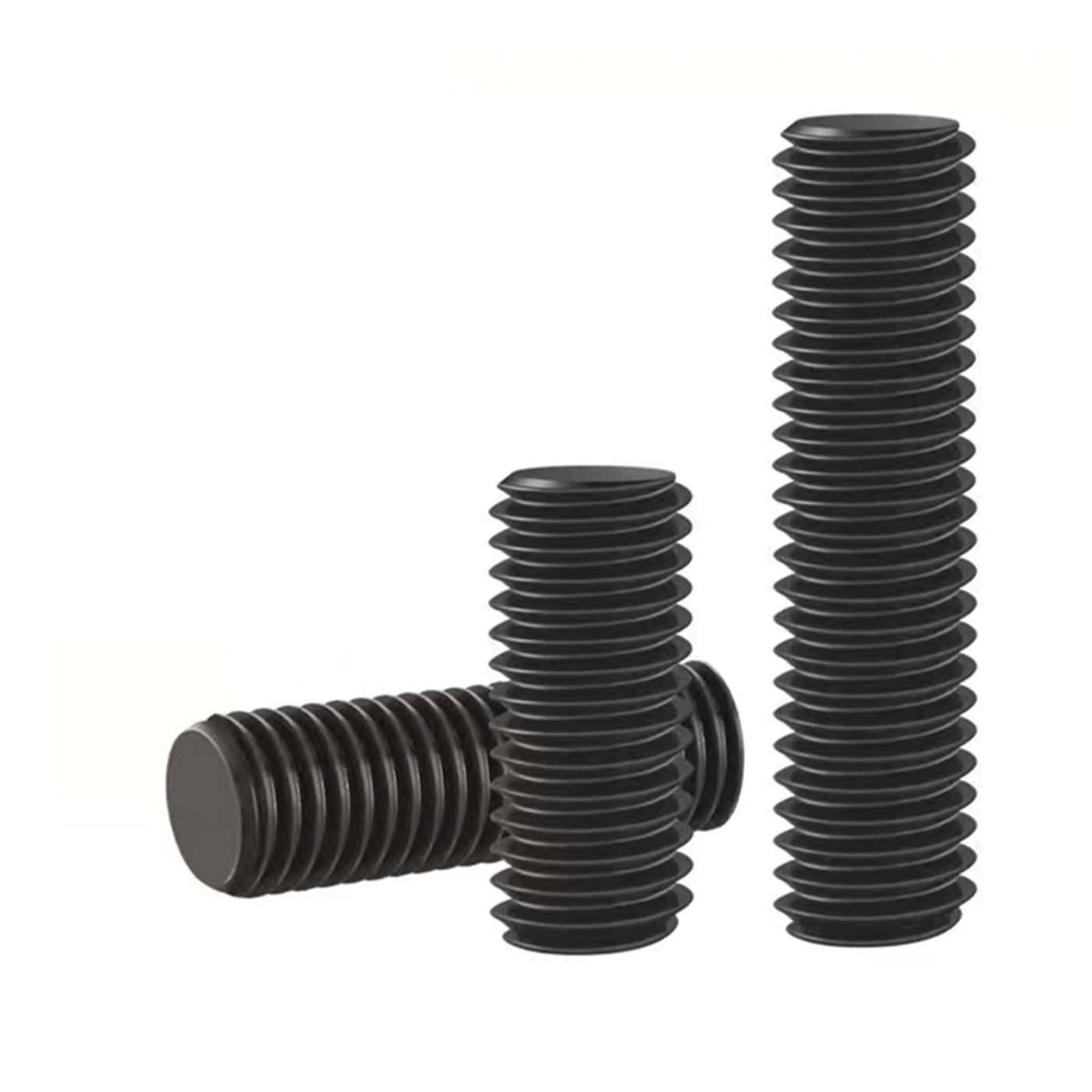
Threaded rod is mostly a support product: hangers, conduit, cable tray, formwork. Studs are a joint product: flange bolting, pump bodies, valve covers. The same machine makes both, but the inspection is not the same.
Standard meter rod is rolled to DIN 975 with a plain or galvanized finish; studs follow DIN 976, DIN 938 / 939 or a customer drawing, with thread lengths to suit the flange. For high-temperature and high-pressure service, ASTM A193 B7 is supplied with a mill certificate and is normally paired with heavy hex nuts to A194 2H. For tunnel and structural work, rods and studs are often cut into the assembly and matched with structural bolting components. The whole family is listed in the product range.
| Standards | DIN 975, DIN 976, DIN 938 / 939, ASTM A193 B7 / B7M |
|---|---|
| Diameter | M6 – M64 |
| Length | 1 m, 2 m, 3 m, or cut to order |
| Types | Meter rod, double end stud, tap end stud |
| Material | Carbon steel, 4140, B7, 304 / 316 / 316L |
| Documents | Mill certificate to EN 10204 3.1 on request |
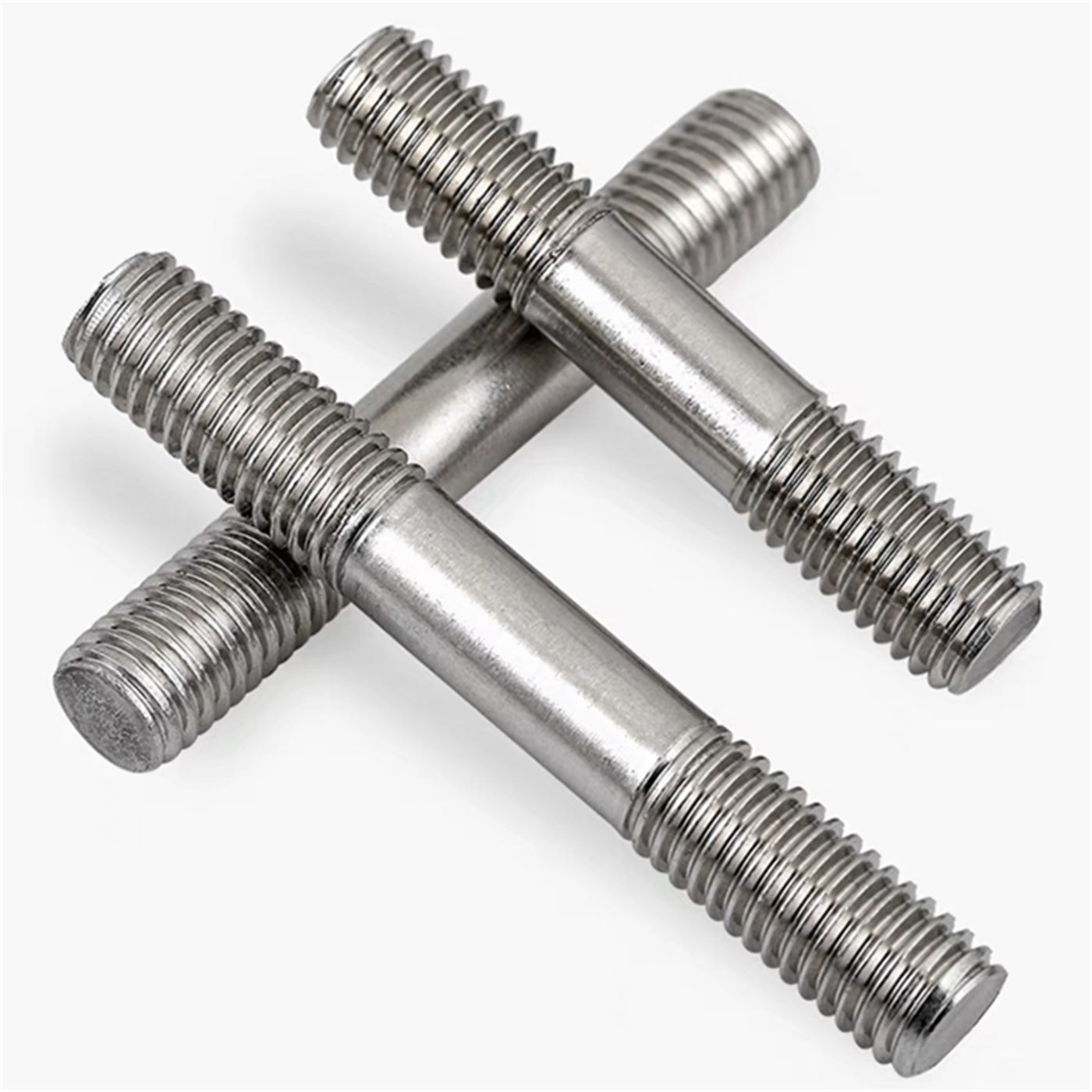
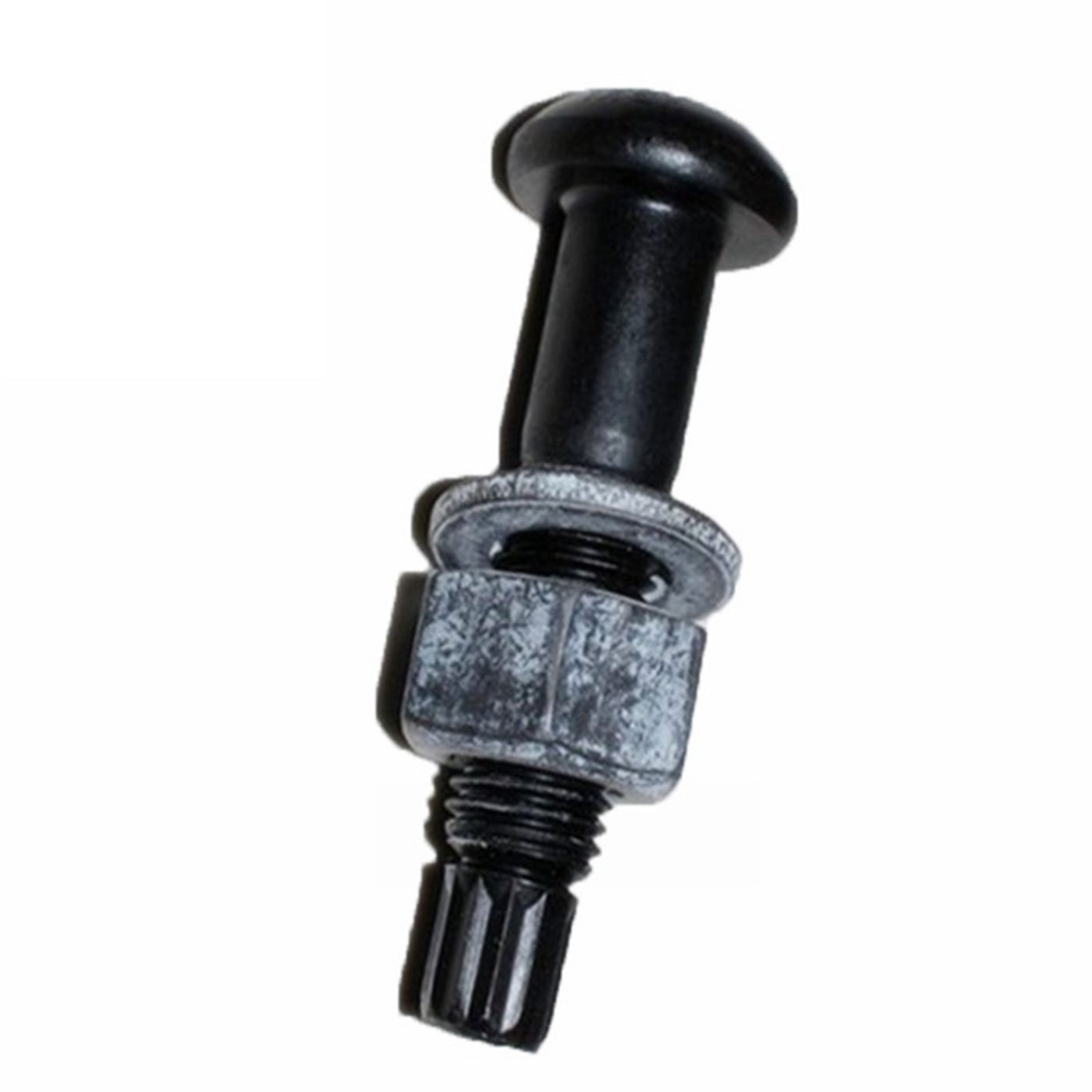
Rod is quoted by diameter, length and finish. Studs are quoted from the drawing — thread length at each end, overall length and the class of the mating nut all affect the price.
| Size | Standard | Material & Class | Finish | Remarks |
|---|---|---|---|---|
| M6 × 1 m | DIN 975 | Carbon steel 4.8 | Zinc plated | Hangers, conduit support |
| M8 × 1 m / 2 m | DIN 975 | Carbon steel 4.8 / 8.8 | Zinc plated, HDG | Cable tray and duct support |
| M10 × 1 m / 2 m / 3 m | DIN 975 | Carbon steel 4.8 / 8.8 | Hot-dip galvanized | Site cutting allowance advised |
| M12 × 1 m / 3 m | DIN 975 / 976 | Carbon steel 8.8 | Hot-dip galvanized | Suspension and bracing |
| M16 × 1 m / 3 m | DIN 975 / 976 | Carbon steel 8.8 | Hot-dip galvanized | Support frames |
| M20 × 1 m / 3 m | DIN 975 / 976 | Carbon steel 8.8 | Hot-dip galvanized | Heavy suspension |
| M24 × 1 m | DIN 975 / 976 | Carbon steel 8.8 | HDG, plain | Made to order in 2 m and 3 m |
| M30 × 1 m | DIN 975 | Carbon steel 8.8 | Plain, HDG | Made to order |
| M36 × 1 m | DIN 975 | Carbon steel 8.8 | Plain | Made to order |
| M12 double end | DIN 939 / GB/T 898 | Carbon steel 8.8 | Hot-dip galvanized | Flange joints, equal thread |
| M16 double end | DIN 939 / GB/T 898 | Carbon steel 8.8 | Hot-dip galvanized | Thread length to drawing |
| M20 × 150 tap end | DIN 938 / GB/T 897 | Carbon steel 8.8 | Plain, HDG | One end tapped into the body |
| M20 B7 | ASTM A193 B7 | Alloy steel, 125 ksi min | Plain, black oxide | High temperature flange bolting |
| M24 B7M | ASTM A193 B7M | Alloy steel, 80 ksi, max 22 HRC | Plain | Sour service, lower hardness |
A rod is threaded before coating, so galvanizing changes the fit. For B7 in particular, the thread allowance has to be decided at the quotation stage.
Straightness and thread runout cause more site problems than tensile strength on this product, so both are measured.
Yes. Cut lengths are supplied with deburred or chamfered ends; the usual tolerance is ±2 mm on lengths under one metre, and we will confirm the figure on the quotation for longer pieces. If the rod is to be threaded after cutting, say so — the thread length and the cut length have to be planned together.
Both are chromium-molybdenum alloy grades to ASTM A193. B7 has a minimum tensile strength of 125 ksi; B7M is limited to 80 ksi and a maximum hardness of 22 HRC, which is why it is chosen for sour service. B7M cannot simply be substituted where B7 is specified, and the reverse substitution needs the approval of the responsible engineer.
Yes — for alloy and stainless lots, a certificate to EN 10204 3.1 can be issued, with the heat number matching the bundle label. For carbon steel rods a 2.2 certificate is normally sufficient; tell us at the quotation stage if the project requires 3.1 on every lot.
Send the diameters, lengths, grades and thread details. We will quote the rod and the cut studs separately so you can compare the cost of site cutting against factory cutting.