Socket cap, button head, countersunk and set screws for machine building — and special heads, threads and lengths cold forged or machined to your drawing.
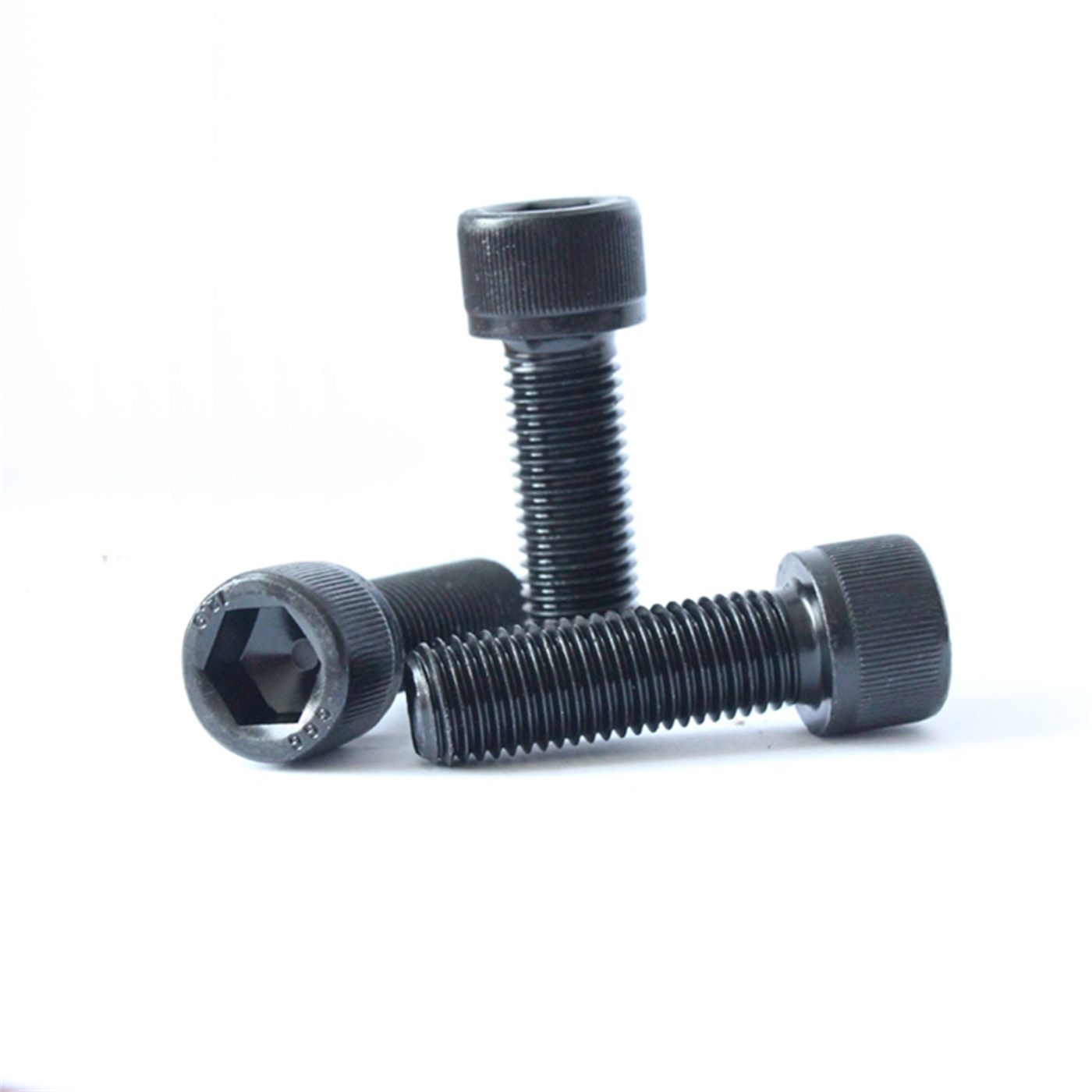
Socket products are chosen for three reasons: a smaller head, a recessed drive, or a clamping force that has to be applied from directly above the screw. We supply the standard DIN and ISO heads, then the specials that machine builders keep asking for.
Cap screws to DIN 912 / ISO 4762 cover most fixture and tooling work; button head and countersunk versions handle guards and flush joints. Where the head, thread or length is not standard, the part moves to cold forging or turning — the same workflow described under custom fasteners. Special socket parts are frequently ordered alongside hex bolts for the same machine frame, so both can share one delivery; the complete list sits in the product range.
| Standards | DIN 912, 7991, 7380, 916, ISO 4762, GB/T 70.1 |
|---|---|
| Property class | 8.8, 10.9, 12.9, A2-70, A4-80 |
| Diameter | M3 – M30 |
| Heads | Cap, button, countersunk, pan, flange |
| Finish | Black oxide, zinc plated, nickel plated, plain |
| Options | Thread locking patch, drilled head, special length |
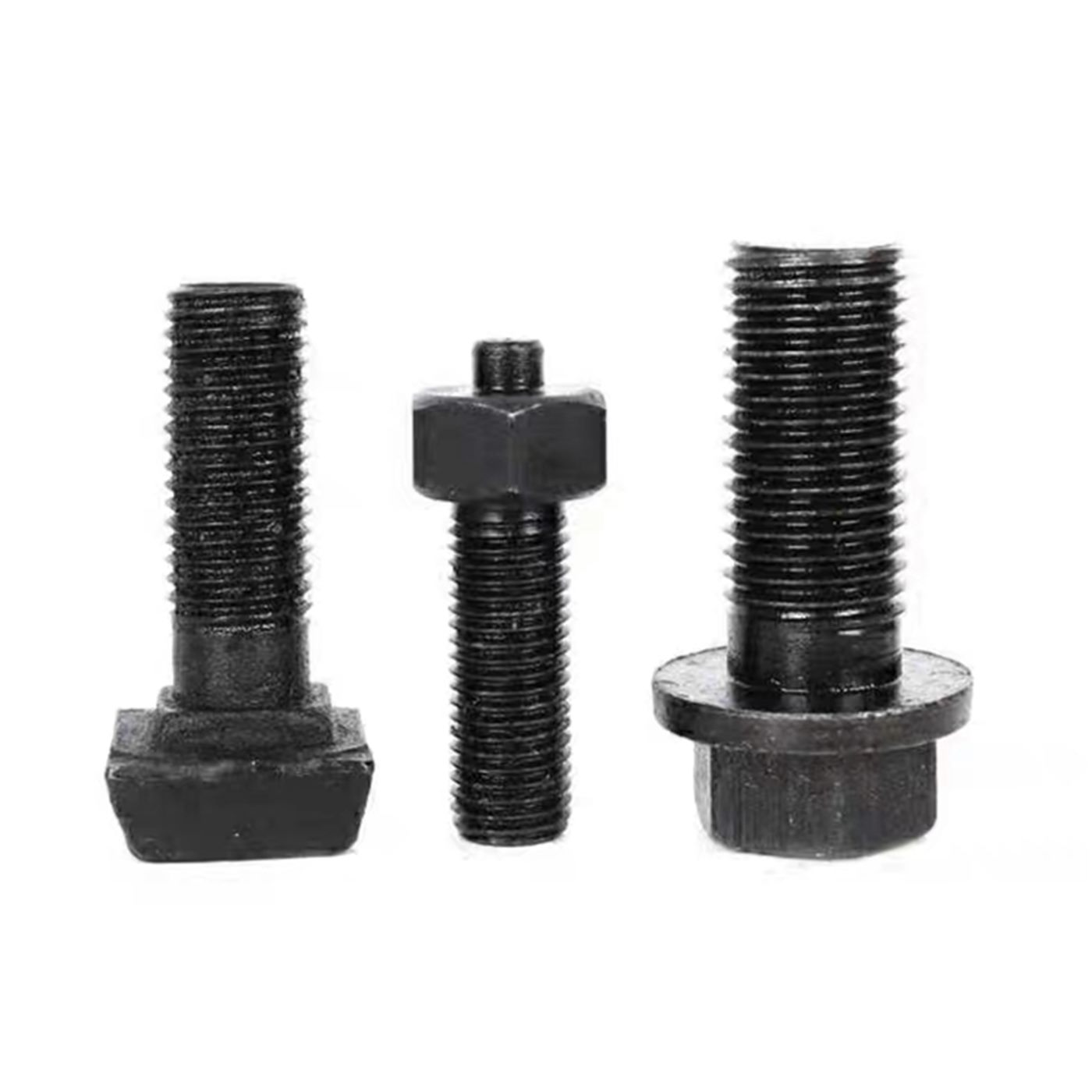
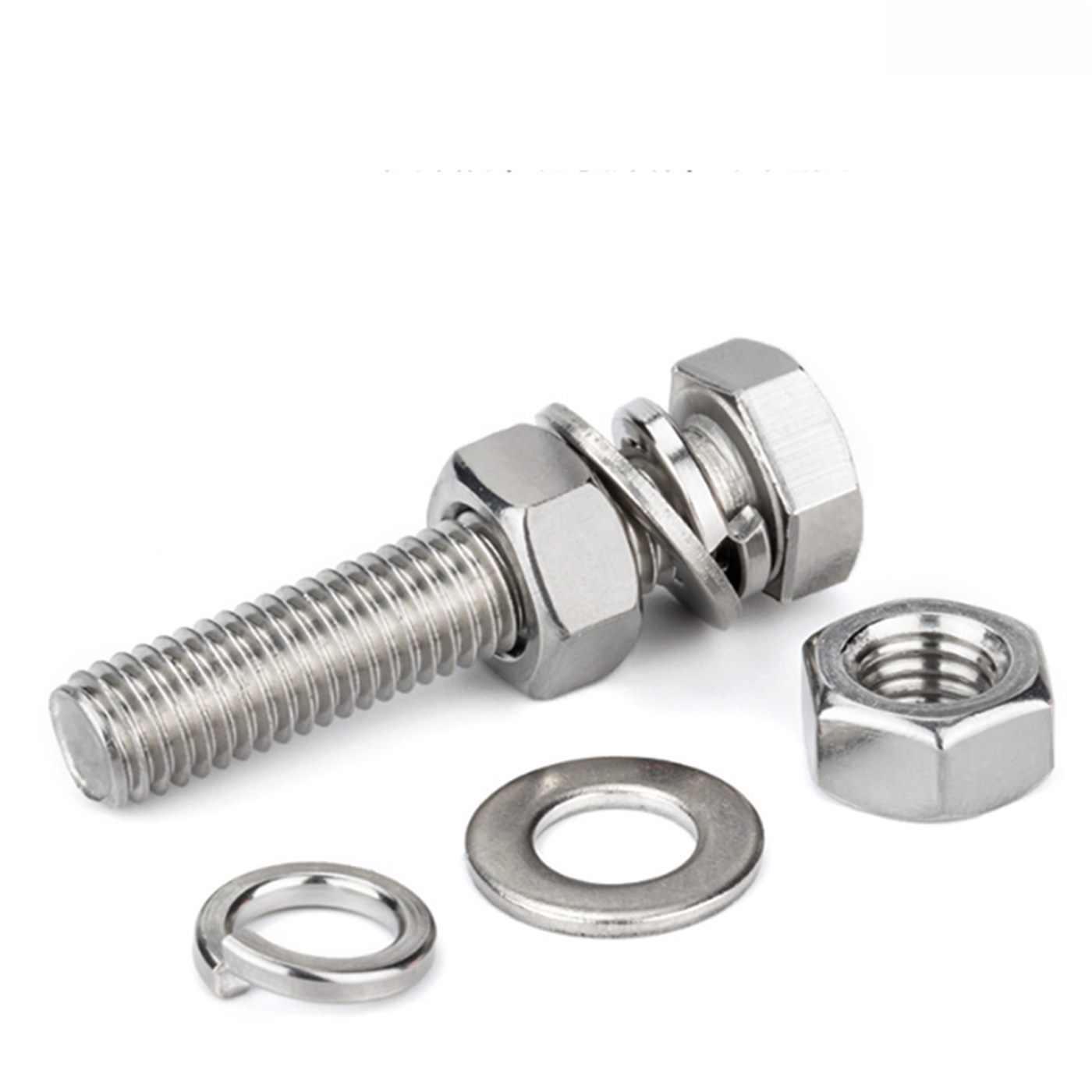
Class 12.9 is normally black oxide; plated 10.9 and 12.9 are baked after coating and the record is kept with the lot. Tell us the drive size and head type when ordering.
| Size | Standard | Material & Class | Finish | Remarks |
|---|---|---|---|---|
| M3 × 6–30 | DIN 912 / ISO 4762 | Alloy steel 12.9 | Black oxide | Machine covers, small fixtures |
| M4 × 8–40 | DIN 912 / ISO 4762 | Alloy steel 12.9 | Black oxide | Tool and die work |
| M5 × 10–50 | DIN 912 / ISO 4762 | Alloy steel 10.9 / 12.9 | Black oxide, zinc plated | General machinery |
| M6 × 12–60 | DIN 912 / ISO 4762 | 10.9 / 12.9, A2-70 | Black oxide, plain | Jigs, guards, fixtures |
| M8 × 16–80 | DIN 912 / ISO 4762 | 10.9 / 12.9, A4-80 | Black oxide, plain | Marine and food plant in A4 |
| M10 × 20–100 | DIN 912 / ISO 4762 | Alloy steel 10.9 / 12.9 | Black oxide, zinc flake | Press and mould tools |
| M12 × 25–120 | DIN 912 / ISO 4762 | Alloy steel 10.9 / 12.9 | Black oxide, zinc flake | Heavy fixtures |
| M16 × 30–150 | DIN 912 / ISO 4762 | Alloy steel 10.9 / 12.9 | Black oxide | Machine beds |
| M20 × 40–200 | DIN 912 / ISO 4762 | Alloy steel 10.9 | Black oxide | Made to order |
| M24 × 50–250 | DIN 912 / ISO 4762 | Alloy steel 10.9 / 12.9 | Black oxide | Made to order |
| M8 × 20–60 | DIN 7991 | 10.9, A2-70 | Black oxide, plain | Countersunk, flush joints |
| M6 × 16–50 | DIN 7380 | 10.9, A2-70 | Black oxide, plain | Button head, covers and guards |
| M6 – M16 | DIN 916 | Alloy steel 45H | Black oxide | Grub screw, set applications |
| M5 – M16 | To drawing | 10.9 / 12.9, A4-80 | Per drawing | Special head, thread or length |
A socket screw fails in two ways: the thread strips, or the socket rounds out. Both are controlled by material and by how the head is formed.
Most complaints about socket products come down to two dimensions — hex socket size and head concentricity. Both are measured, not eyeballed.
For cold-forged specials the usual starting point is 5,000 pieces per size, with tooling charged separately. Small parts and simple modifications can go lower; large parts above M24 are quoted individually. Send the drawing and the annual quantity and we will confirm the real MOQ for that part.
Yes. Left-hand thread is rolled with a dedicated die, and thread length is set by the die and the blank, so both are handled as a tooling item rather than a catalogue option. State the thread direction and the thread length on the drawing, and allow for a sample approval before the production run.
No. Class 12.9 is an alloy steel grade; there is no stainless equivalent at that strength. If corrosion resistance is the priority, A4-80 is the usual substitute, at a lower strength. If strength is the priority and the environment is aggressive, zinc flake on 10.9 or 12.9 is often a better answer than stainless.
Send the drawing or the DIN number, the class and the quantity. We will say plainly whether it is cheaper to modify a standard part or to cut a new tool.